Austria and Hungary, the latter not always voluntarily, shared quite a long history.
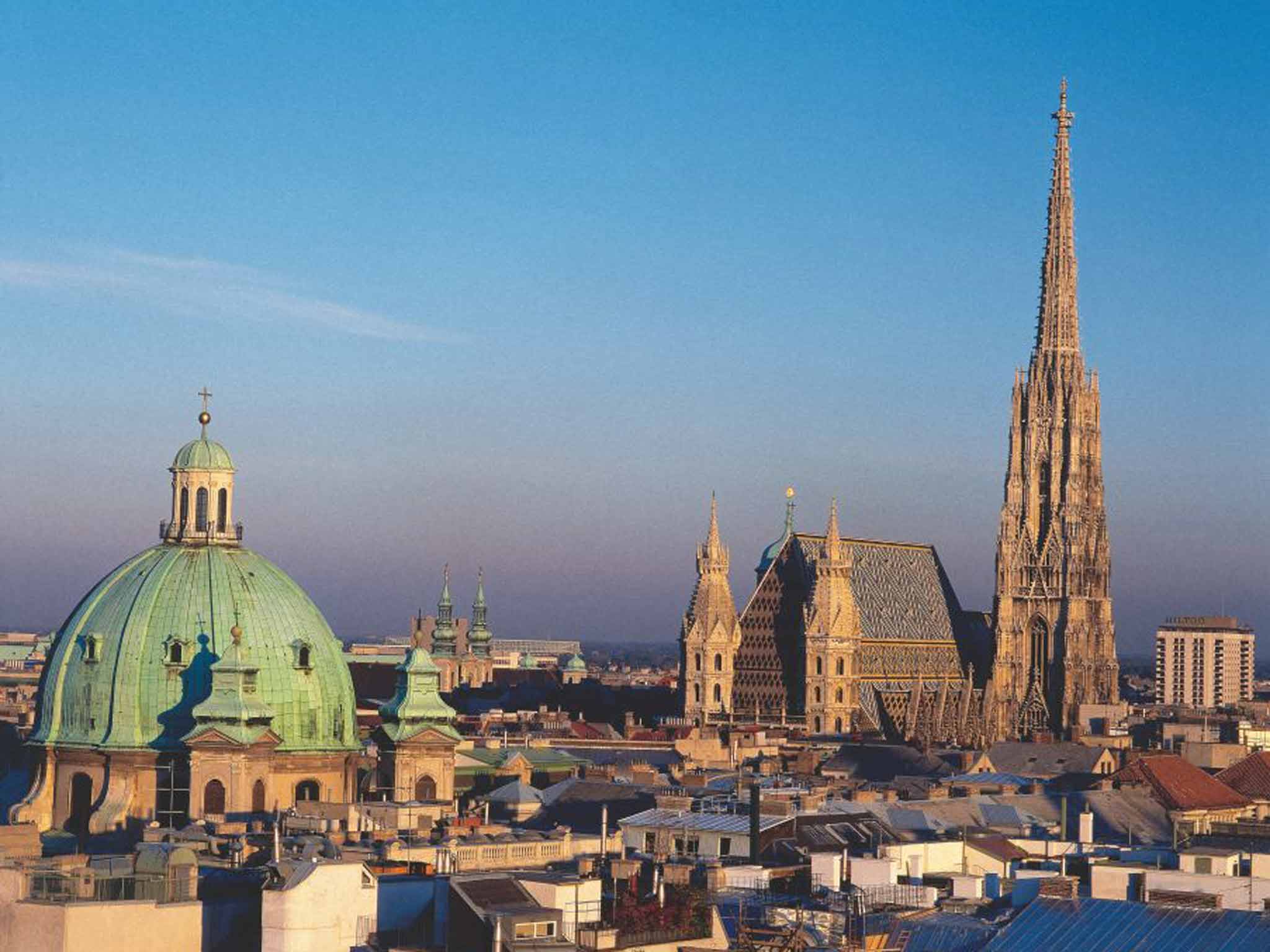
Austria, German-speaking, but not German, was occupied by Nazi-Germany in March of 1938 – aided by the compliant Seyß-Inquart government. Many Austrians welcomed this takeover but styled themselves as victims after World War II.
Having been “the first victim” while also collaborating with the perpetrators makes Austria an interesting place of investigation of the forms of Holocaust memory.
Hungary, too, with its anti-Semitic Horthy Regime since 1919 and its willing siding with the German Nazi government in 1940 played a more ambivalent role in the Holocaust.
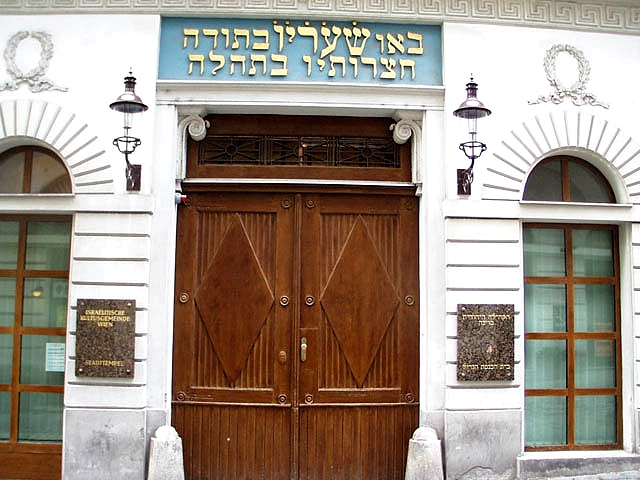
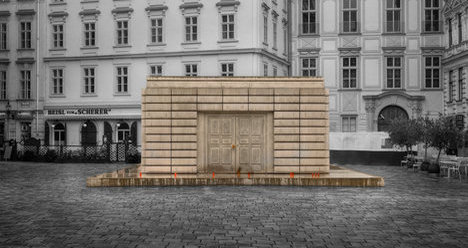
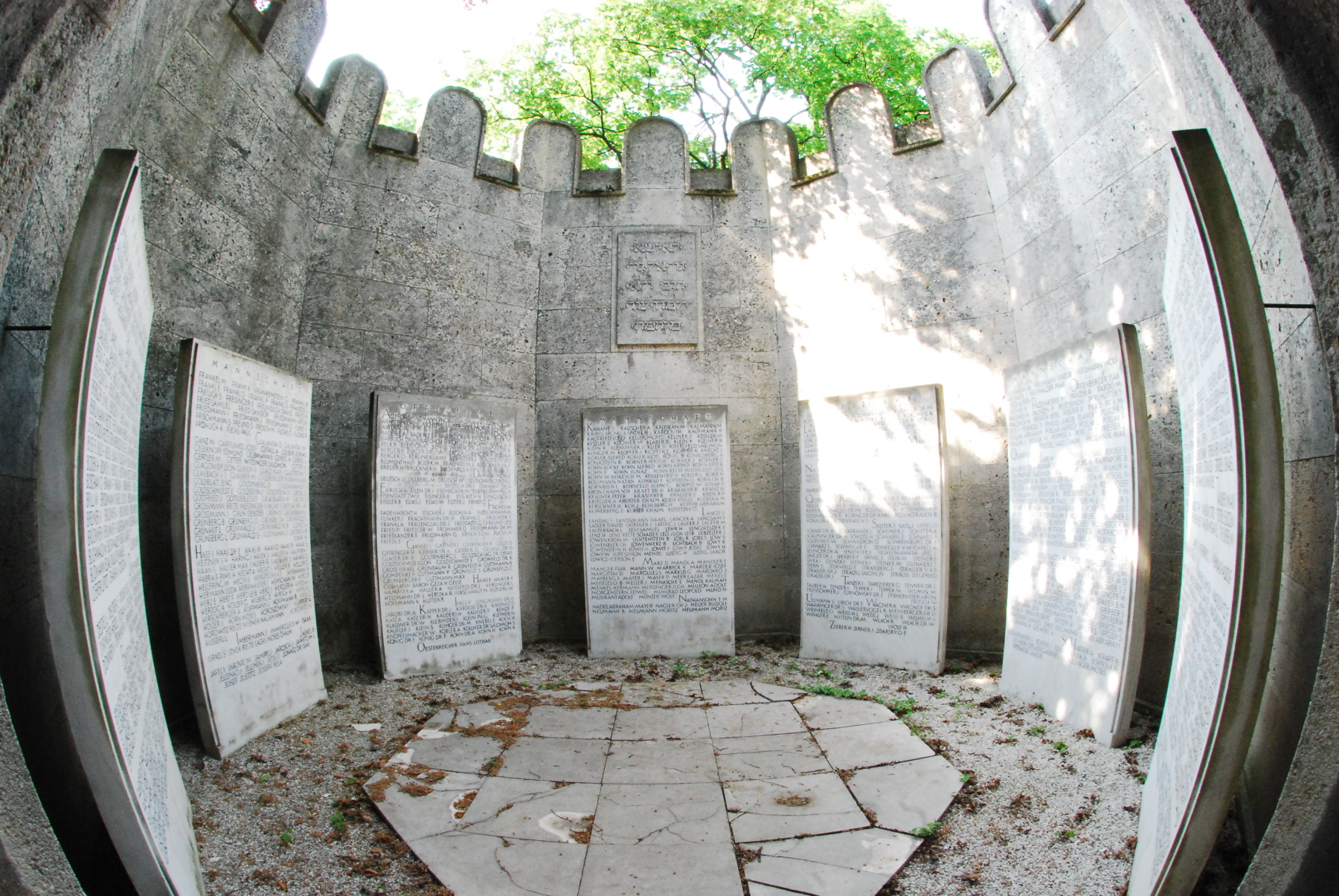
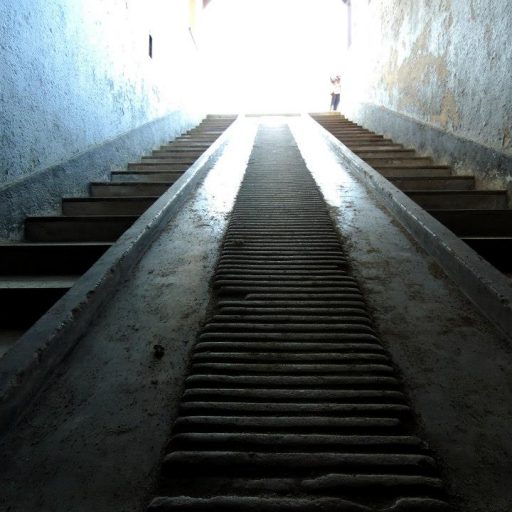
In Austria, students will see remainders of prewar Jewish life such as the old synagogue and the Jewish Cemetery as part of the Zentralfriedhof. Other sites include the, The Jewish Museum, and the former Mauthausen Concentration Camp.
In Hungary, we will visit the Great Synagogue in Budapest, the Holocaust memorial at the Danube river, and the Moorish synagogue in Esztergom, the oldest synagogue in Hungary.
The course is open to all students for one UMW credit, but recommended to students of history, human rights, art, and Museum Studies as well as to students in German 485E and the Freshman Seminar FSEM 100H3 “Holocaust and its representation in German and U.S. cultures.”
Find here the 2023 syllabus for IDIS 350BB
This course travels with the course “Austrian and Hungarian Arts and Culture”
A combined preliminary travel itinerary can be found here.
Interest Meeting on October 8, 4:30pm in Combs 236
For more information, contact Professor Hansen-Glucklich: jhanseng @ umw.edu